Method
Mix and knead the pretzel dough
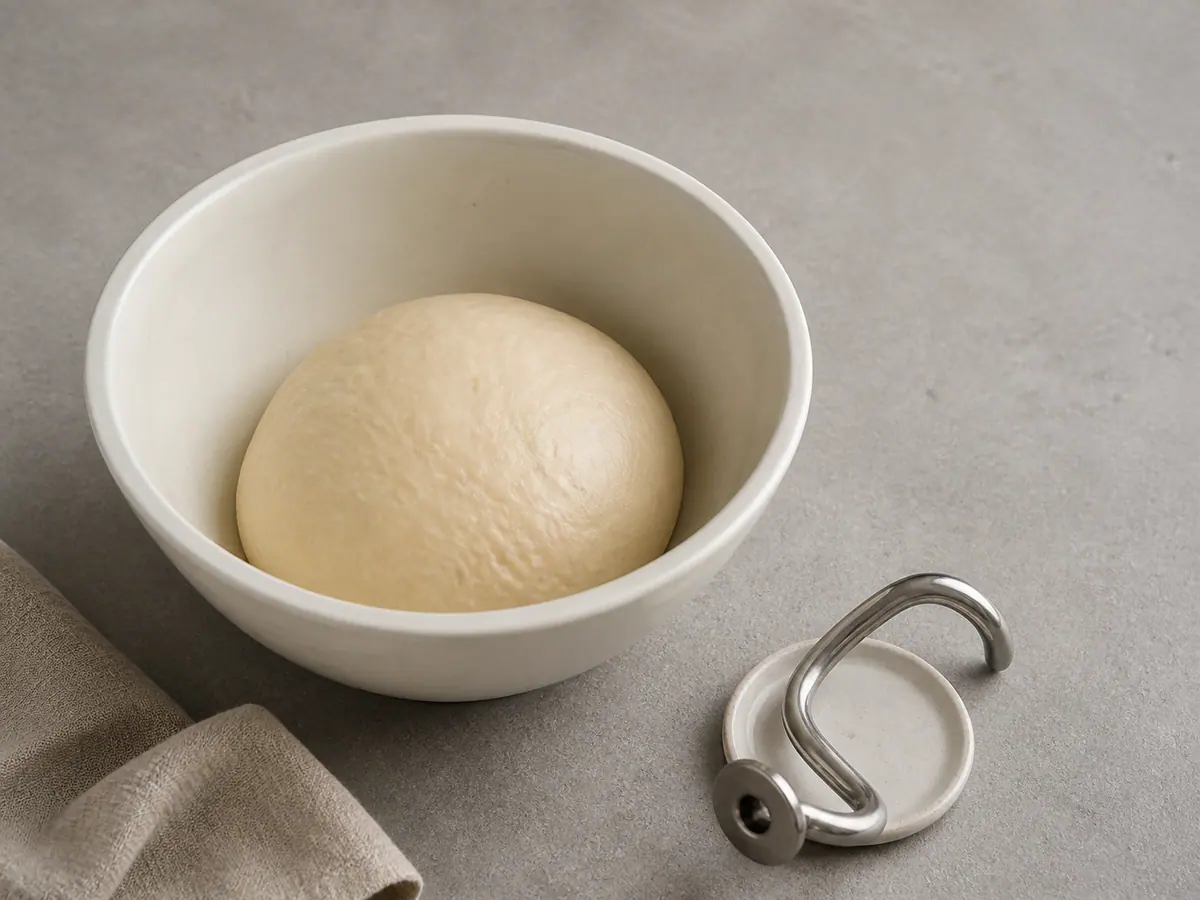
Warm 300 ml of water to 38°C to 43°C (100°F to 110°F). Pour most of it into a large mixing bowl, holding back a small splash for adjustment, then stir in 7 g of instant yeast and 25 g of light brown sugar. Melt 28 g of unsalted butter for dough, let it stand briefly so it is warm rather than hot, then stir it into the bowl. Add 480 g of all-purpose flour for dough and 8 g of fine sea salt. Mix until no dry flour remains, then knead on a clean unfloured surface or with a dough hook for 6 to 8 minutes. Begin checking at 6 minutes; the dough should be smooth, elastic, and only slightly tacky. If it still feels stiff and resists smoothing after several minutes, work in the held-back water a few drops at a time. If it is merely tacky, keep kneading rather than adding extra flour.
06:00Let the dough rise
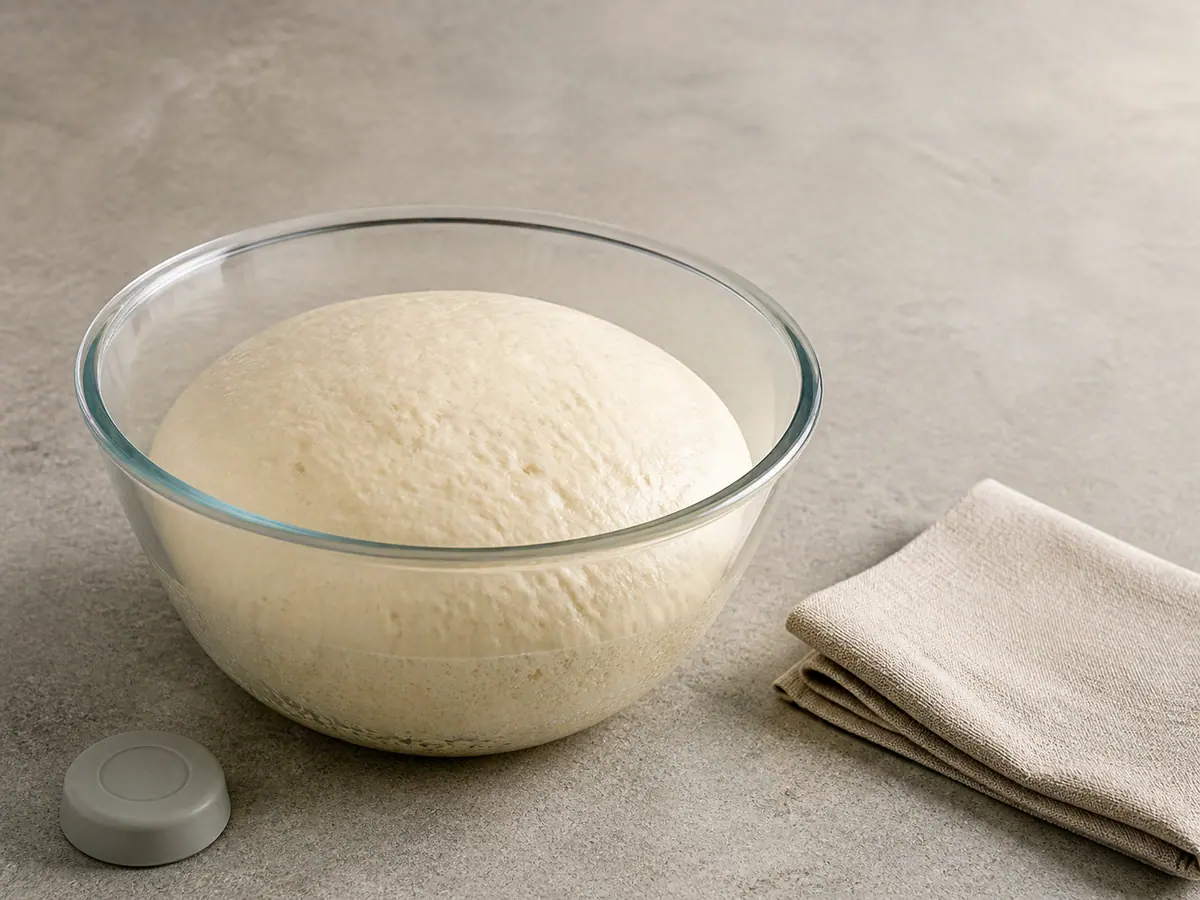
Shape the dough into a ball and place it in a clean bowl. Cover the bowl and leave it in a warm, draft-free place for 50 to 60 minutes. Begin checking at 50 minutes; the dough should look puffy and have expanded to about one and a half times its original size. It does not need to double. Press one fingertip gently into the surface; the indentation should fill back slowly rather than springing shut at once.
50:00Shape and alkalize the pretzel ring
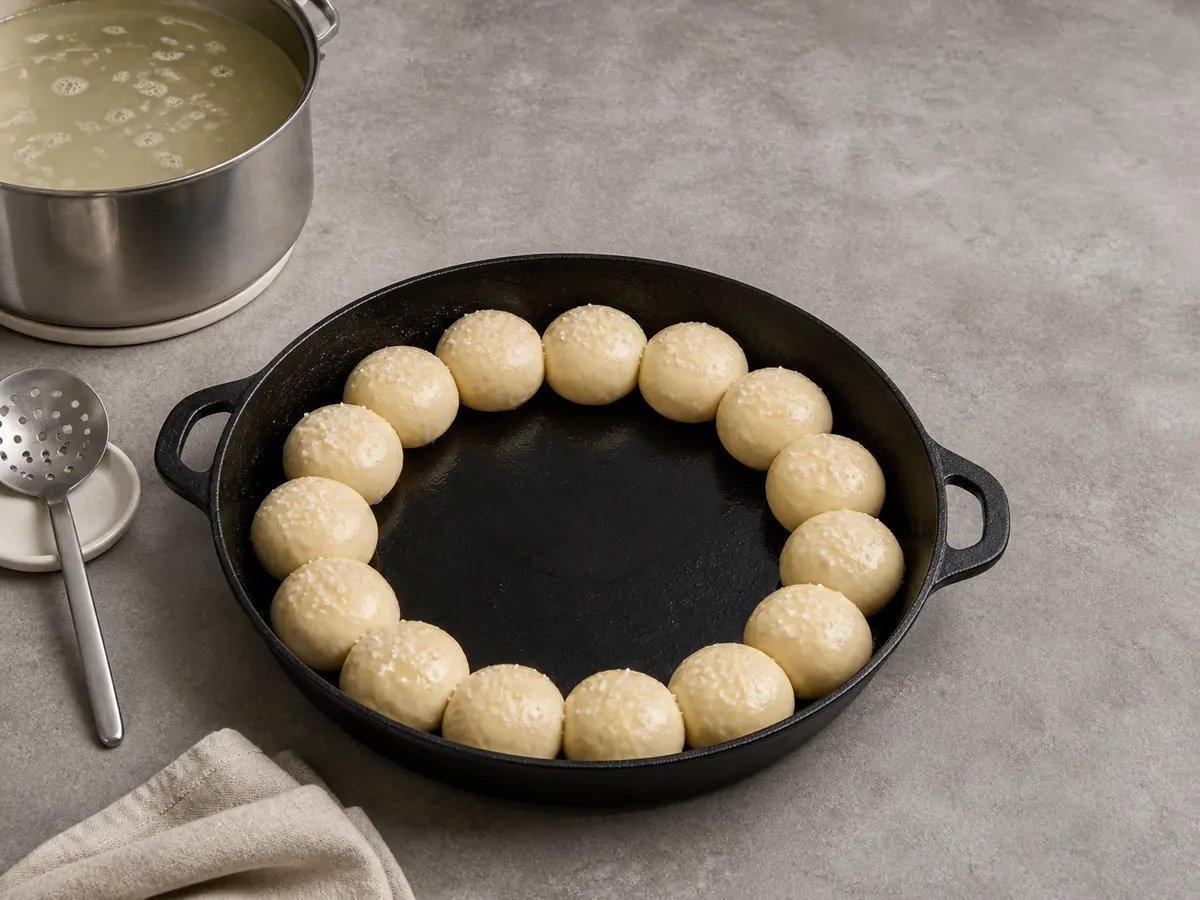
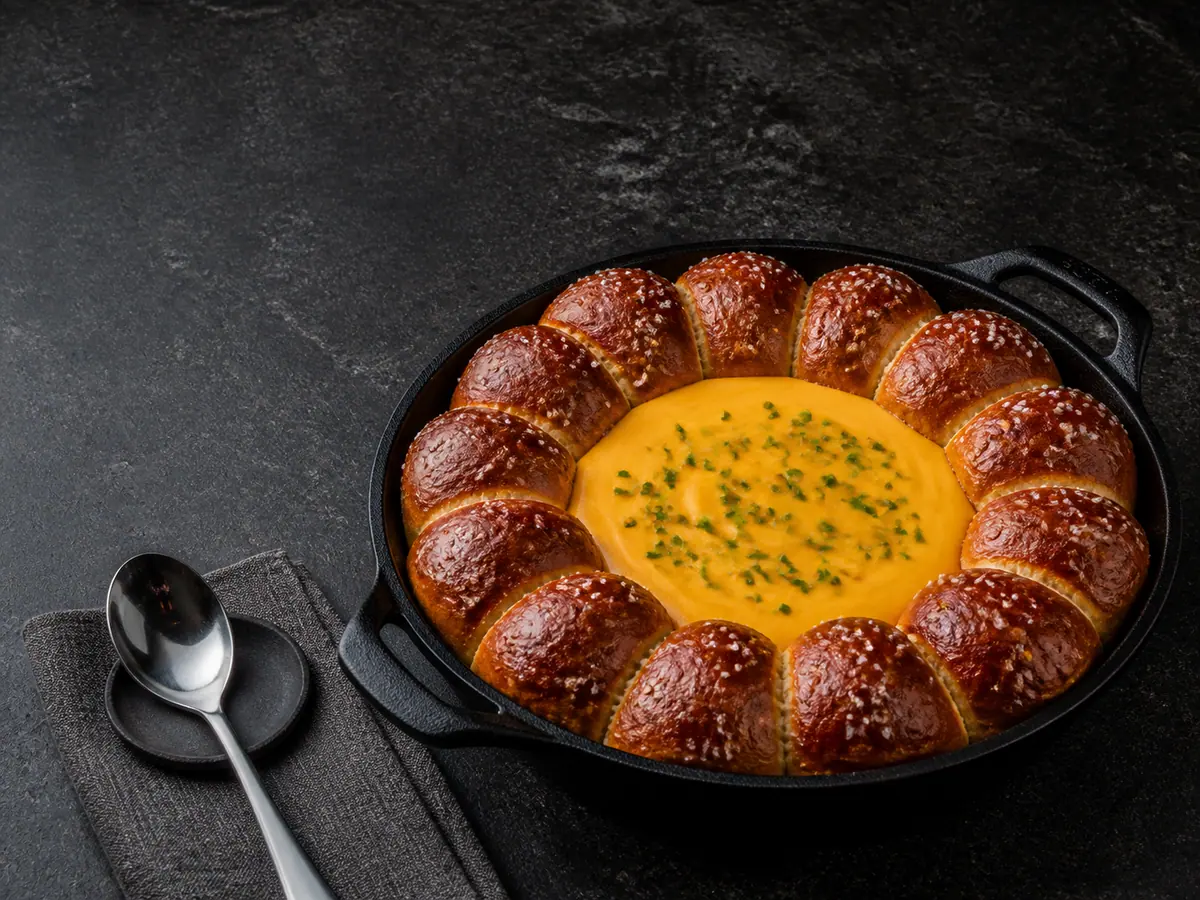
Heat the oven to 220°C (425°F). Coat a 30 cm (12 in) round oven-safe skillet (for 8 servings) with 15 ml of olive oil; for scaled batches, use a vessel that keeps one snug outer ring and a similar open center. Bring 2 L of water for baking-soda bath to a gentle boil in a wide pot, lower the heat, and carefully add 55 g of baking soda in small additions because it will foam. Divide the dough into two pieces per serving and roll each piece into a smooth ball. Poach the balls in small batches for 20 seconds, turning once, then lift them out with a slotted spoon and let excess liquid drain. Arrange them around the outer edge of the skillet with small gaps between pieces and a wide empty center. Sprinkle 6 g of coarse pretzel salt over the damp tops.
00:20Set the pretzel ring
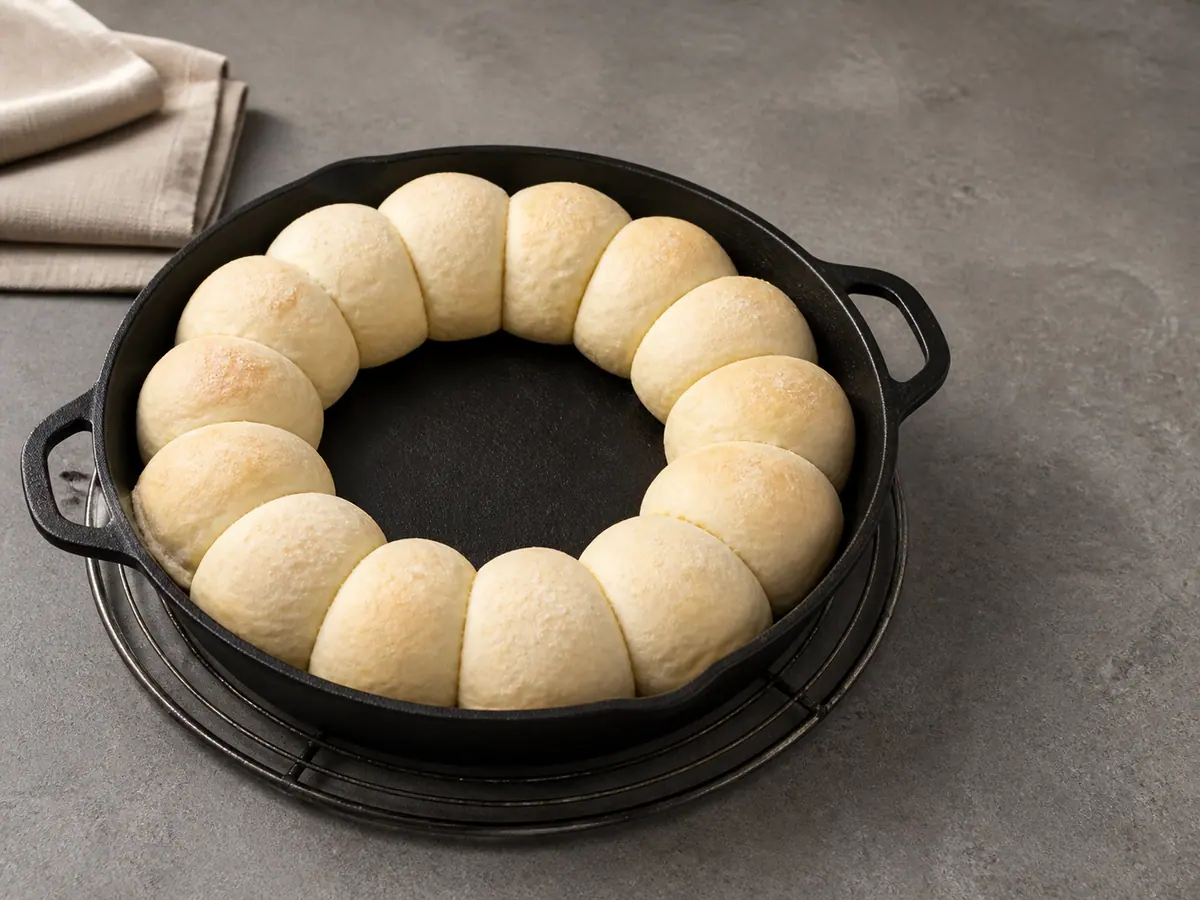
Bake the skillet for 8 to 10 minutes. Begin checking at 8 minutes; the dough should be expanded, dry on top, and set at the sides touching the skillet while still pale. The ring should hold its shape without taking on its final deep brown color. Remove the skillet carefully and leave the oven on.
08:00Start the cheddar-mustard dip
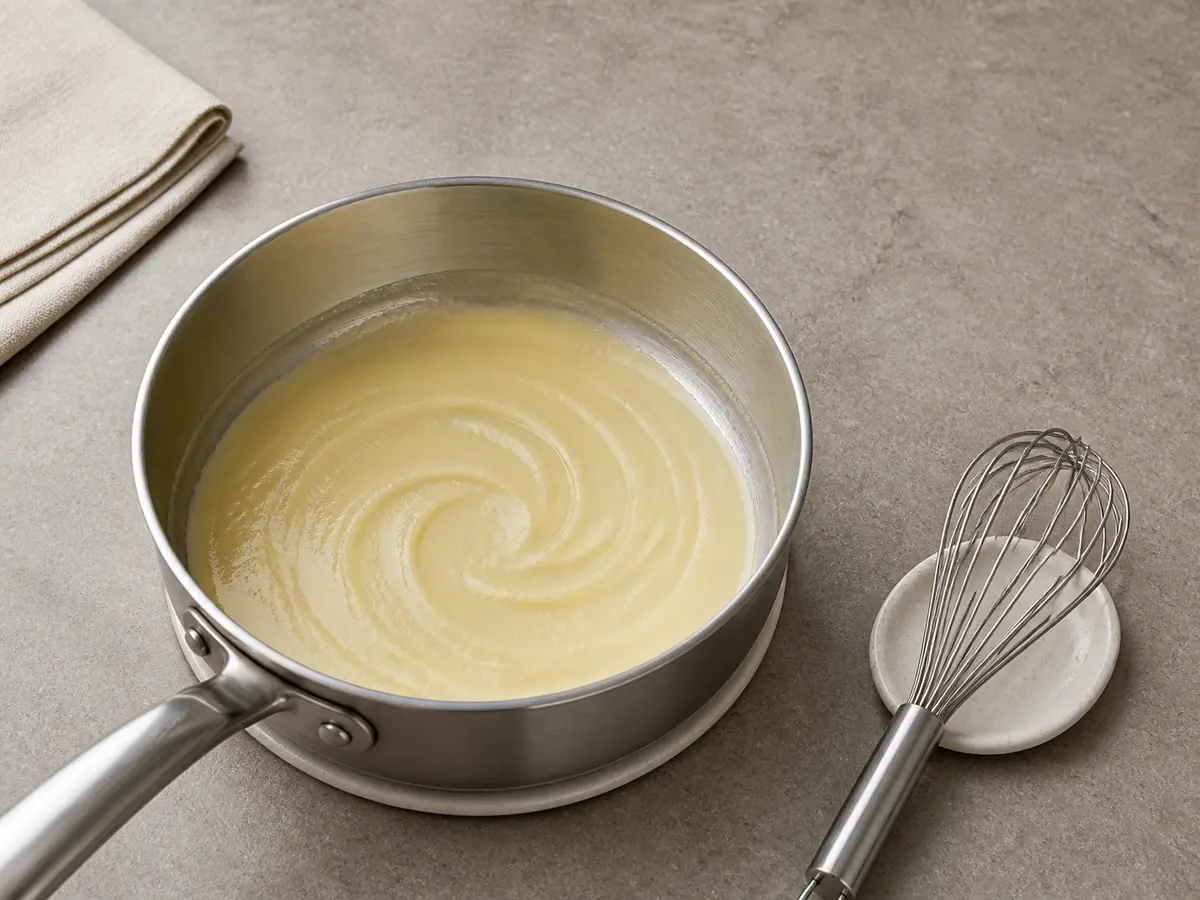
While the ring par-bakes, melt 28 g of unsalted butter for dip in a medium saucepan over medium heat. Whisk in 24 g of all-purpose flour for dip and cook for 1 minute, whisking constantly, until the mixture is smooth and smells lightly toasted but has not browned.
01:00Thicken and season the dip
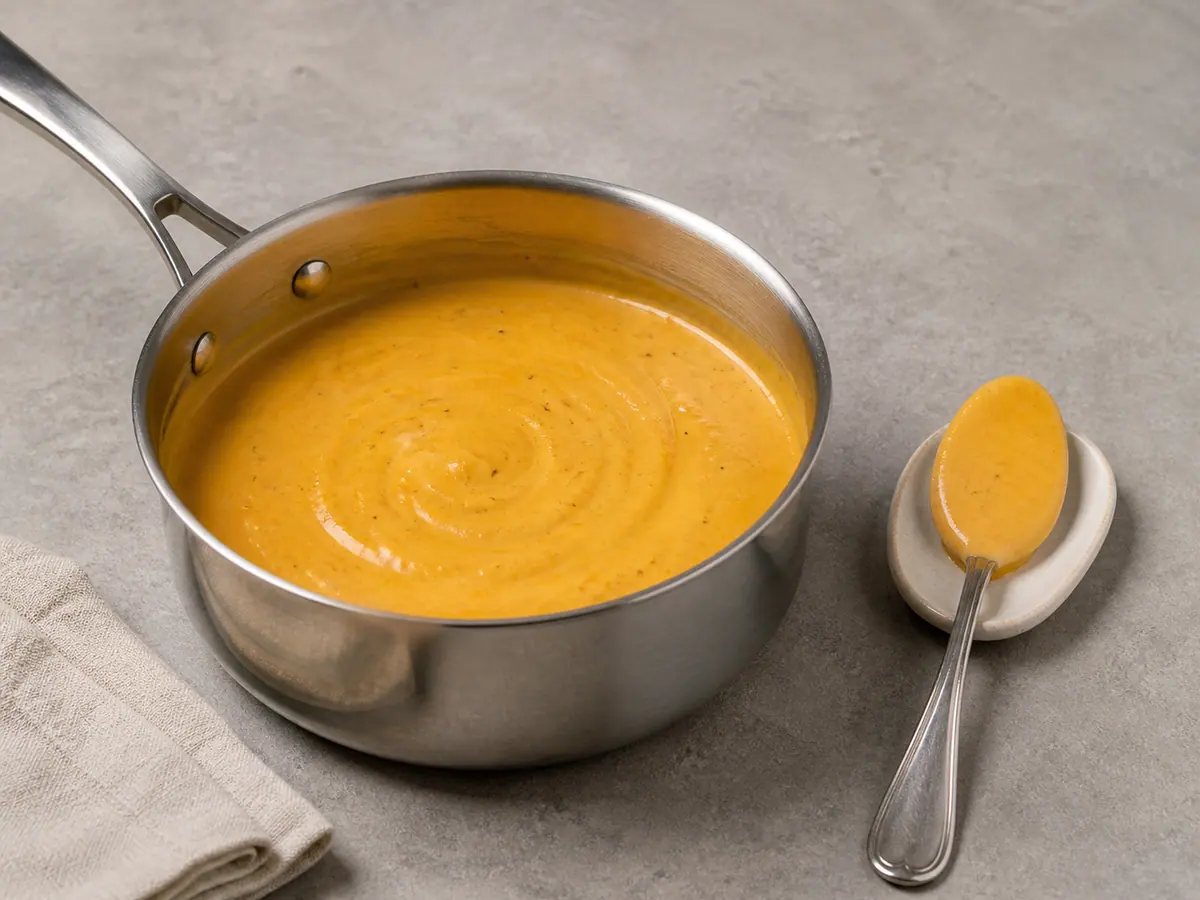
Gradually whisk 360 ml of whole milk into the saucepan in several pours, holding back the final small splash until the sauce begins to thicken. Cook for 3 to 4 minutes, whisking often. Begin checking at 3 minutes; the sauce should coat the back of a spoon and a finger drawn through the coating should leave a clean line. Lower the heat. Add 85 g of full-fat cream cheese in small pieces and stir until smooth, then add 225 g of sharp cheddar cheese a handful at a time. Remove the pan from the heat as soon as the cheese melts. Stir in 30 g of Dijon mustard, 2 g of garlic powder, 1 g of smoked paprika, and 1 g of black pepper. The dip should flow slowly from the spoon; if it is too thick to pour, whisk in the held-back milk off heat.
03:00Fill the center and finish baking
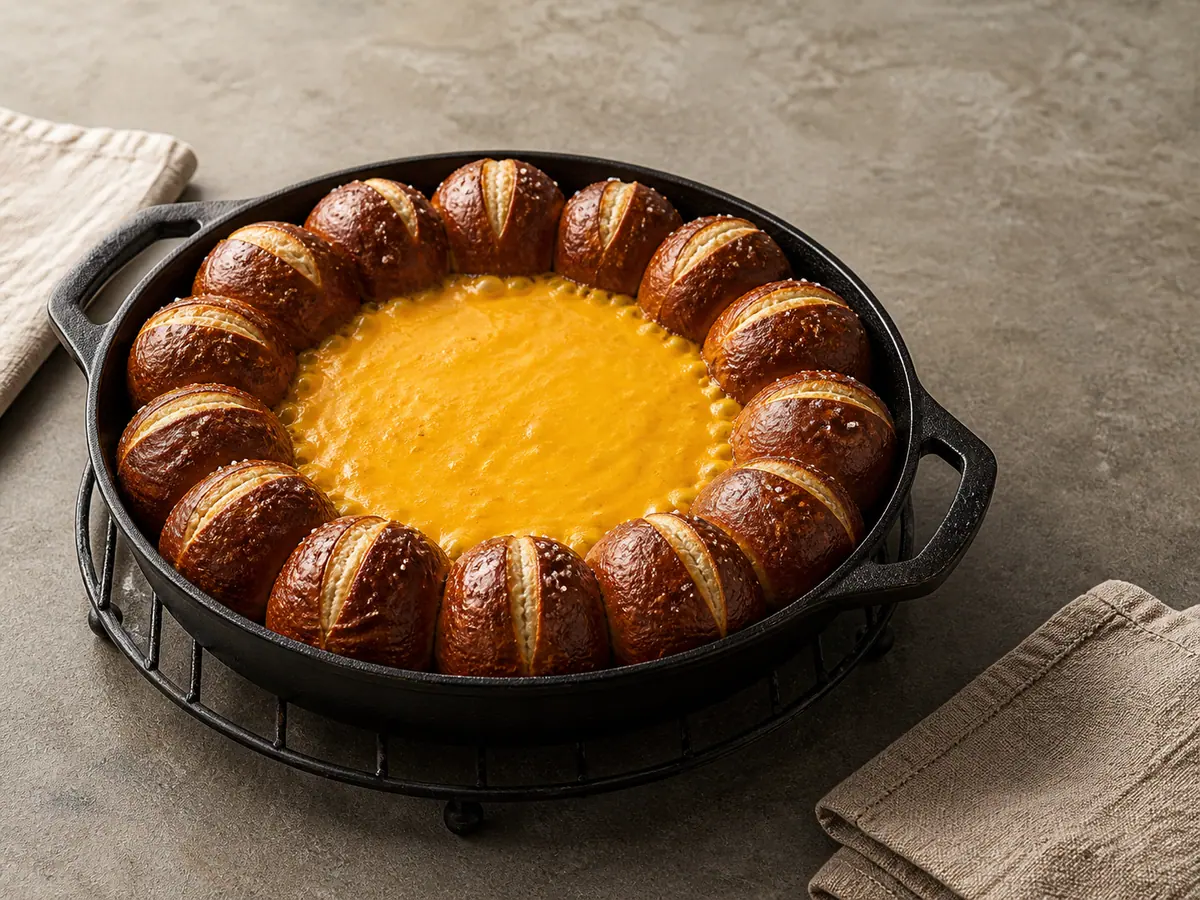
Pour the hot cheese dip into the empty center of the par-baked ring, stopping below the pretzel tops. Return the skillet to the oven and bake for 10 to 12 minutes. Begin checking at 10 minutes: the pretzels should be deep chestnut brown, the seams between rolls should look baked rather than wet, and the dip should bubble gently around the edge without separating.
10:00Settle the dip and serve
Set the skillet on a heatproof surface and let it stand for 5 minutes so the dip settles and thickens slightly. Cut 8 g of fresh chives into small rings and scatter them over the center. Serve immediately with a spoon for the dip, and protect the hot skillet handles before anyone moves the dish.
05:00


Smart Substitutions
- No sharp cheddar? Use Gouda, Monterey Jack, or a half-and-half blend of mild cheddar and another good-melting cheese.
- No Dijon mustard? Use yellow mustard for a softer tang or whole-grain mustard for a more textured dip.
- No cream cheese? Use the same amount of mascarpone for a milder dip, then add an extra teaspoon of mustard if the sauce needs more bite.
- Want a milder finish? Use sweet paprika in place of smoked paprika and reduce the black pepper to a small pinch.
Tips and Variations
- Grate the cheddar from a block; pre-shredded cheese can make the sauce less smooth.
- Let each poached dough ball drain for a few seconds so alkaline water does not collect beneath the ring.
- For a tidy round break, let each person plate two pretzel rolls and a spoonful of dip before passing the skillet onward.
What Went Wrong?
- Dough feels stiff and will not smooth out Use the small amount of 300 ml of water held back during mixing, adding it a few drops at a time and waiting until each addition is absorbed before adding more.
- Pretzels stay pale Make sure the oven is fully heated, the baking-soda bath is gently simmering, and each dough ball remains in the bath for the full 20 seconds.
- Cheese dip turns grainy Use low heat after the milk thickens, add the cheese gradually, and remove the pan from the heat as soon as it melts.
- Inner pretzel edges seem doughy Keep the center below the roll tops and continue baking until the seams between rolls look dry and set, not glossy or compressed.
Nutrition Estimate
- Fiber: 2 g per serving
- Sodium: 930 mg per serving
Nutrition disclaimer:This recipe is provided for general cooking information only. Nutrition values are estimates and may vary by ingredients, brands, preparation methods, and serving sizes. Check ingredient labels and follow appropriate food-safety practices. This content is not medical, dietary, allergy, or professional food-safety advice.
FAQ
Found an error or have a suggestion?
Help us improve this recipe. Send us your feedback and include the recipe name so we can take a look.